Payment History: Why It's the #1 Credit Factor
At 35% of your score, payment history is king. Here's how to protect it and recover from mistakes.
Payment history accounts for 35% of your credit score, more than any other single factor. It's the clearest signal lenders have of whether you'll repay your debts on time. Here's everything you need to know about protecting the most important part of your credit score.
What's Included in Payment History
Your payment history reflects your track record across all reported credit obligations:
- Credit cards (Visa, Mastercard, American Express, Discover)
- Retail store cards
- Installment loans (auto, personal, student)
- Mortgages
- Home equity lines of credit
- Any other account reported to the credit bureaus
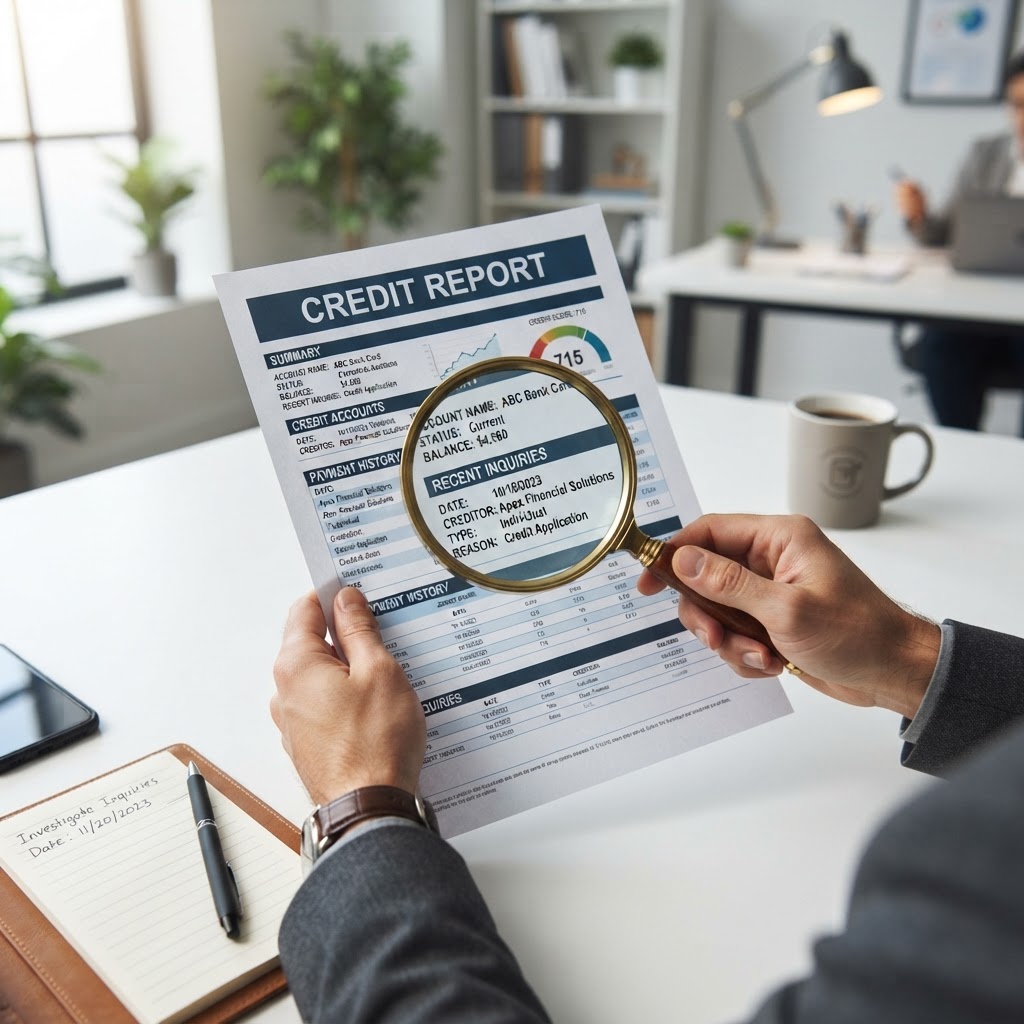
Each account shows a month-by-month record: paid on time, or 30, 60, 90, or 120+ days late.
How Late Payments Affect Your Score
The impact of a late payment depends on three factors:
How recent it is. A late payment from six months ago hurts more than one from three years ago. As time passes, the negative impact diminishes.
How severe it is. A 30-day late payment is less damaging than a 90-day late payment. A charge-off (when the creditor writes off the debt as uncollectible) is far worse.
How high your score was. A person with a 780 score who misses a payment can lose 60 to 80 points. Someone with a 620 score might lose 20 to 40 points. The higher your score, the further it falls.
How Long Negative Items Stay on Your Report
- Late payments: 7 years
- Collections: 7 years
- Charge-offs: 7 years
- Foreclosures: 7 years
- Chapter 13 bankruptcy: 7 years
- Chapter 7 bankruptcy: 10 years
The good news: older negative items weigh less on your score over time. A late payment from five years ago has far less impact than one from five months ago.
How to Build a Strong Payment History
Set up autopay. The simplest and most effective strategy. Set automatic payments for at least the minimum due on every account. You can always make additional payments manually.
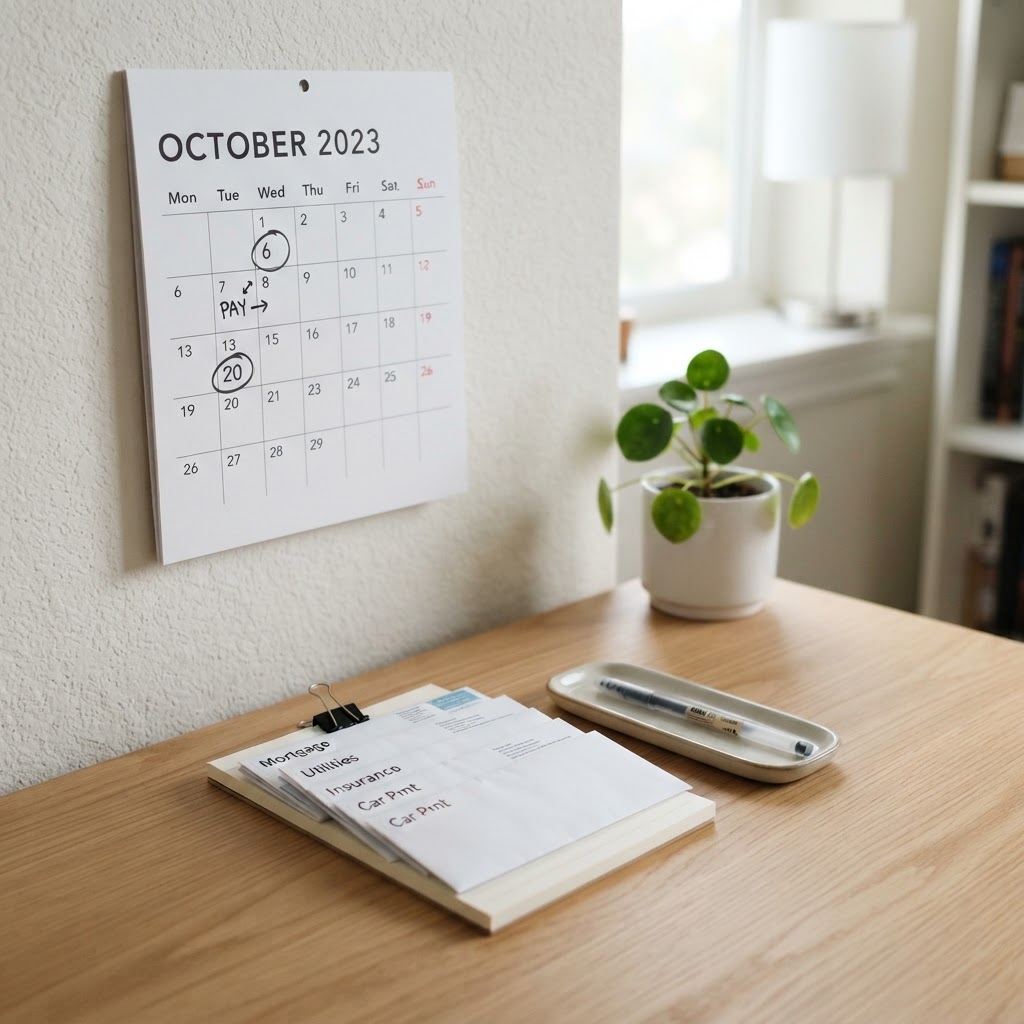
Use payment reminders. If you prefer not to use autopay, set calendar reminders for every due date, giving yourself a few days of buffer.
Pay early when possible. Paying your bill before the statement closes can also help your credit utilization ratio, giving you a double benefit.
Communicate with creditors. If you're going to miss a payment, call your creditor before the due date. Many offer hardship programs or payment arrangements that can prevent the late payment from being reported.
Can You Remove Late Payments?
If a late payment is accurate, it generally stays on your report for seven years. However, you can send a goodwill letter to the creditor asking them to remove it as a courtesy, especially if you have a strong history and it was a one-time mistake. Some creditors will accommodate this request.
If a late payment is inaccurate, for example, you paid on time but it was reported as late, you have the right to dispute it under the FCRA, and the bureau must correct or remove it if they cannot verify its accuracy.